
The Science of Stickers For Child Development
As parents, we're always looking for activities that entertain AND educate. What if we told you that those colorful little stickers your child loves are actually powerful tools for development? Here's what the research says about why sticker play is a smart choice for growing minds.
The Hidden Superpowers of Sticker Play
According to child development experts, stickers aren't just fun decorations. They're developmental powerhouses disguised as play.
1. Fine Motor Skills That Build Future Writers
Here's what matters most: those tiny fingers peeling stickers are building the exact muscles needed for writing. As noted by Experience Early Learning, "Stickers are a fun and beneficial activity for toddlers" specifically because they develop the pincer grasp essential for holding pencils later.

Think about it. Every time your child:
- Peels a sticker from its backing
- Positions it precisely on a page
- Smooths it down carefully
They're practicing the same hand movements they'll use to write their name, tie their shoes, and button their coat.
Parent Win: Within 30 days of regular sticker play, you'll notice your child handling small objects with more confidence and control.
2. Bilateral Coordination: The Secret to Physical Development
Potsot's research highlights that "Stickers develop fine motor skills" but goes deeper, showing how sticker activities require both hands working together. One hand holds the sheet steady while the other peels and places. This bilateral coordination is the foundation for everything from sports to playing musical instruments.
Bilateral coordination IS the basic skill that unlocks advanced physical abilities.
3. Screen-Free Focus That Actually Works
Kids can focus on sticker activities for 30-60 minutes WITHOUT a screen. That's not just entertainment; that's deep, engaged learning time.
Our Cupkin parents report:
- "Entertained her for hours"
- "My 3-year-old could get the stickers off the sheet so it provided great independent activity"
- "Keeps my 6-year-old granddaughter engaged and entertained for quite a while"
4. Creativity and Decision-Making in Every Placement
Every sticker placement is a decision. Where should the butterfly go? What color fish belongs in this part of the ocean? These micro-decisions build:
- Spatial awareness
- Color recognition
- Story-telling abilities
- Problem-solving skills
When we asked parents what they loved most about sticker books, creativity development ranked in the top 3 benefits.
5. The Confidence Builder Parents Don't Expect
Here's what the research doesn't always capture but our Cupkin families tell us daily: sticker play builds confidence. There's no "wrong" way to place a sticker. Every choice is valid. Every page completed is an accomplishment.
One parent shared: "My son has Autism and has meltdowns from time to time. I bought this to help him calm down. Works like a charm!"
Making the Most of Sticker Play: A Parent's Guide
For Ages 3-5:
- Start with larger stickers that are easier to peel
- Celebrate every placement ("I love how you put the sun in the sky!")
- Use sticker time as calm-down time or transition activities
For Ages 6-8:
- Challenge them to tell stories with their sticker scenes
- Introduce themed books that align with their interests
- Let them create their own "sticker challenges" for siblings
For Ages 9+:
- Use stickers for journaling and personal expression
- Encourage them to design their own scenes
- Make it social: sticker swapping with friends
The Cupkin Difference: Designed for Development
Here's what sets Cupkin sticker books apart:
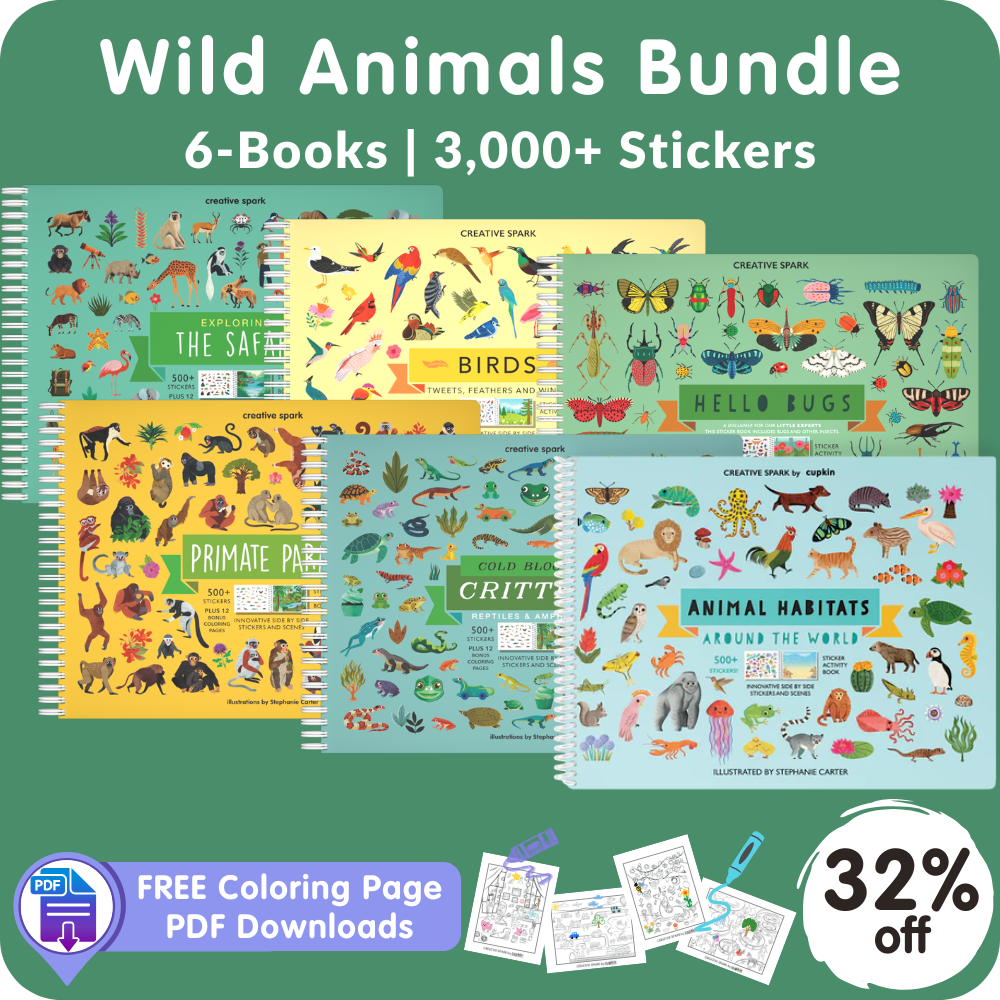
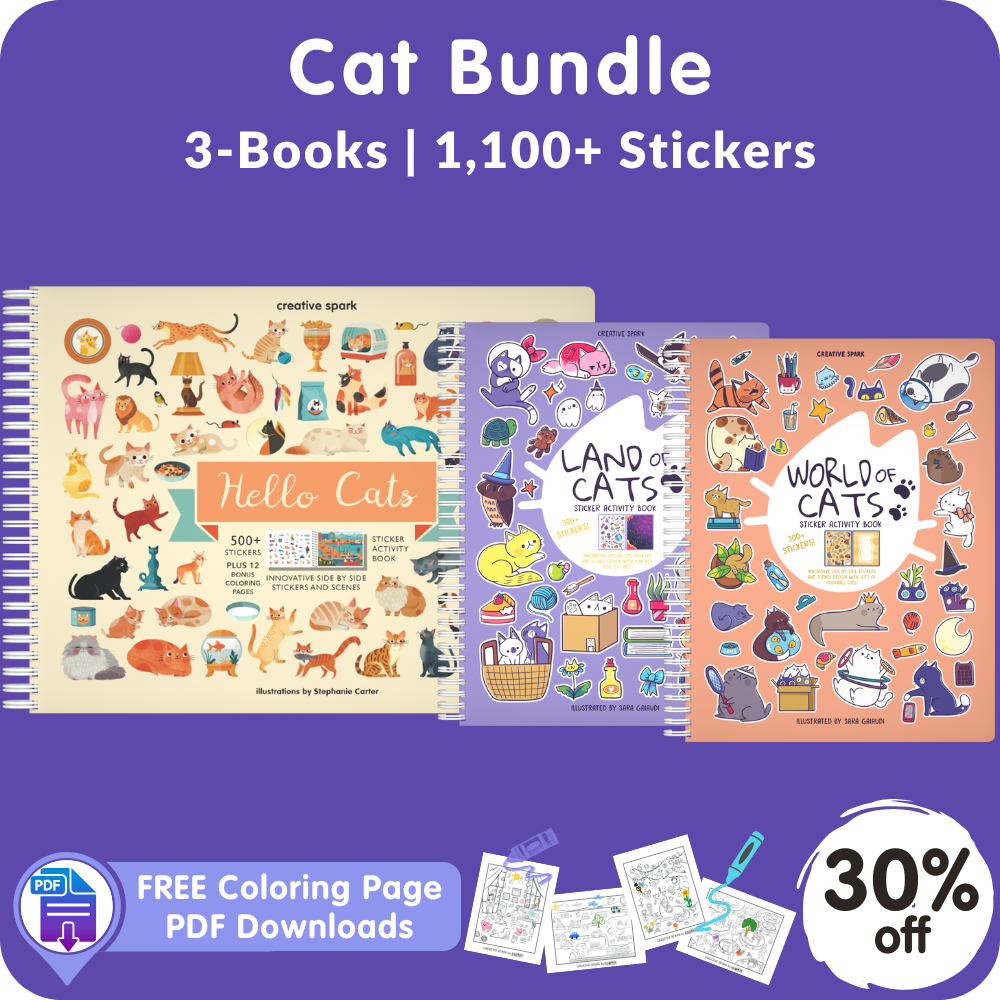
- 500+ Stickers Per Book
- Matching Coloring Pages: Double the development opportunities
- Travel-Friendly Design: Perfect for building skills anywhere
- Age-Appropriate Themes: From animals to space to foods around the world
Your Next Step: Start the 30-Day Sticker Challenge
You're just one sticker book away from:
- Peaceful car rides
- Engaged, creative kids
- Screen-free time that doesn't feel like punishment
- Fine motor skills developing naturally
- Proud moments watching your child create
Ready to see the benefits yourself? Start with one Cupkin sticker book. Give it 30 days. Document the changes you see in your child's focus, creativity, and fine motor skills.
Because here's what we know: the best developmental tools don't feel like work. They feel like play. And that's exactly what stickers deliver.

Want to dive deeper into the research? Check out these excellent resources:
Ready to start your child's sticker journey? Explore our full collection of developmental sticker books designed by parents, for parents.